Can My Social Security Benefits Be Garnished?
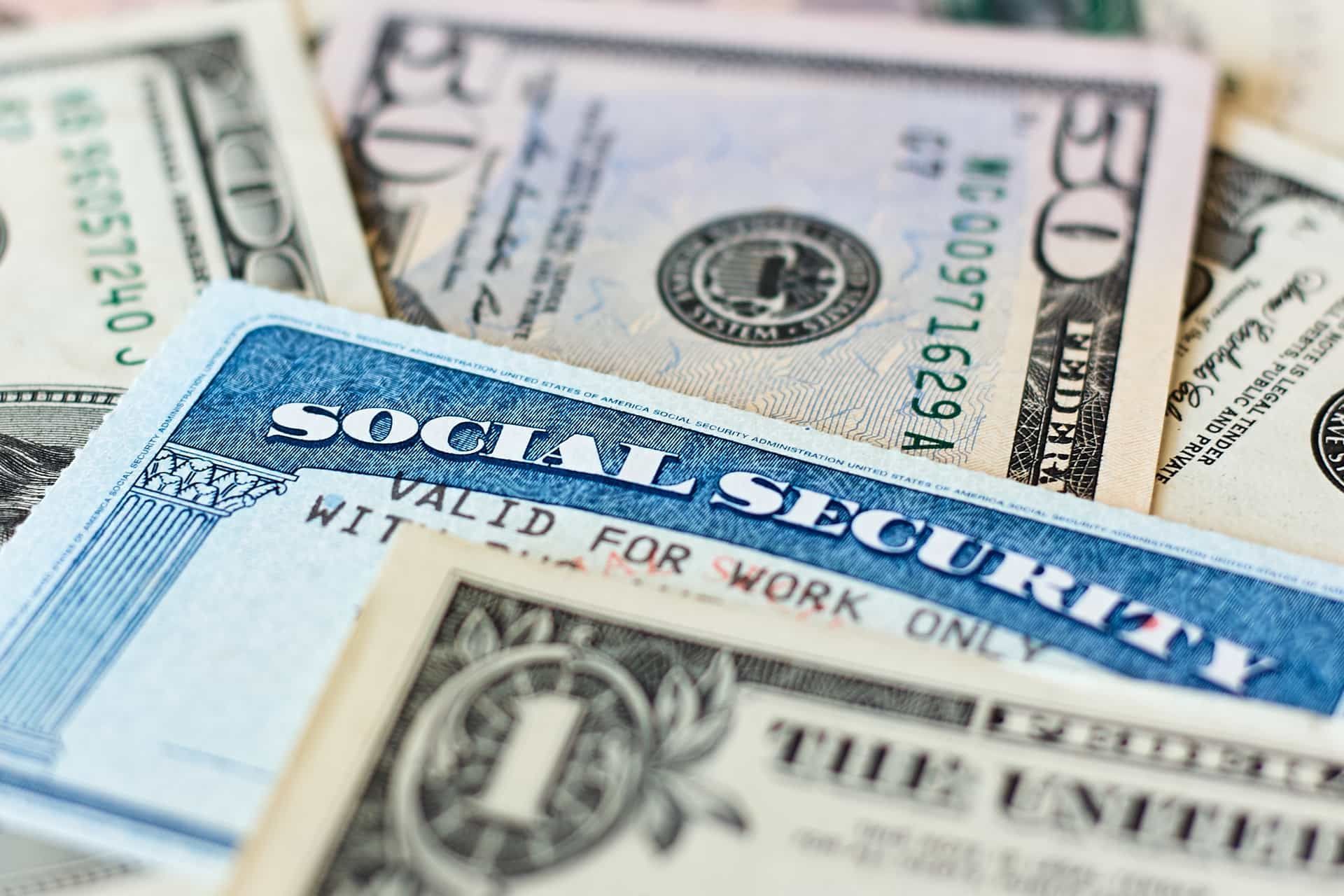
Social Security benefits provide essential income for retirees, people with disabilities, survivors, and their families. When a creditor threatens collection, it is natural to worry that this monthly income could disappear.
Can Social Security be garnished? In most cases, ordinary creditors cannot take Social Security benefits to collect debts such as credit cards, medical bills, personal loans, or private student loans. Federal law generally protects Social Security payments from attachment, levy, and garnishment.
There are important exceptions. Social Security retirement, disability, and survivor benefits may be withheld for certain federal debts, unpaid child support or alimony, and court-ordered victim restitution. Supplemental Security Income, or SSI, receives broader protection.
The answer also depends on whether the money is still with the Social Security Administration or has already been deposited into a bank account.
Social Security Garnishment Rules at a Glance
| Type of Debt | Can Social Security Be Taken? |
|---|---|
| Credit card debt | Generally no |
| Medical bills | Generally no |
| Personal loans | Generally no |
| Private student loans | Generally no |
| Ordinary civil judgment | Generally no direct garnishment of benefits |
| Unpaid federal taxes | Certain Social Security benefits may be levied |
| Delinquent federal debts | Some Title II benefits may be offset |
| Federal student loans | Legally possible, but involuntary collections are currently paused |
| Child support | Certain Social Security benefits may be garnished |
| Alimony | Certain Social Security benefits may be garnished |
| Court-ordered victim restitution | Title II benefits may be garnished |
| Social Security overpayment | SSA may reduce future payments |
| SSI | Generally protected from garnishment and levy |
Social Security retirement, disability, and survivor payments are known as Title II benefits. SSI is a separate, needs-based program under Title XVI, and different collection rules apply.
When Social Security Benefits Are Protected
Section 207 of the Social Security Act generally prevents creditors from using execution, levy, attachment, garnishment, or similar legal processes to take Social Security benefits.
This protection normally applies to private debts such as:
- Credit card balances
- Medical bills
- Personal loans
- Payday loans
- Collection agency accounts
- Private student loans
- Most civil judgments
- Unpaid rent or utility bills
A creditor may sue, obtain a judgment, and pursue other property allowed under state law. However, an ordinary judgment does not normally allow that creditor to garnish Social Security directly from the Social Security Administration.
The protection applies to retirement, SSDI, survivor benefits, and SSI unless Congress has created a specific exception.
Can My Social Security Be Garnished for a Judgment?
Usually, not when the judgment involves an ordinary consumer debt.
For example, assume a credit card company sues you and obtains a judgment. The creditor generally cannot send that judgment to Social Security and require SSA to deduct money from your monthly retirement or disability benefit.
The answer changes when the judgment or order concerns:
- Child support
- Alimony
- Qualifying criminal restitution
- Certain debts owed to the federal government
A creditor may also send a garnishment order to your bank. In that situation, federal rules require the bank to identify and protect a limited amount of qualifying federal benefits deposited electronically. Money above the automatically protected amount may be frozen while the dispute is resolved.
When Can Social Security Benefits Be Garnished?
Federal law creates several exceptions to the usual protection.
Unpaid Child Support and Alimony
Social Security retirement, SSDI, and certain survivor benefits may be garnished to enforce a valid child support or alimony order.
SSA does not decide whether the support order is fair or calculate the underlying debt. It follows a legally valid order sent by the appropriate court or enforcement agency. Questions about changing the order generally must be directed to the court that issued it.
Federal limits for family support garnishment can be substantial. The maximum is generally:
- 50% of disposable benefits when the person supports another spouse or child
- 60% when the person does not support another spouse or child
- An additional 5% when support payments are more than 12 weeks overdue
State law may provide a lower limit, and the actual withholding depends on the order and the beneficiary’s circumstances.
SSI is not subject to garnishment for child support or alimony because it is a needs-based benefit rather than compensation based on prior employment.
Unpaid Federal Taxes
The Internal Revenue Service may levy certain Social Security payments for delinquent federal taxes.
Through the Federal Payment Levy Program, the IRS may generally take up to 15% of eligible monthly federal payments. The levy can continue until the tax debt is paid or another arrangement is approved.
However, not every Social Security payment is currently included in the automated program. The IRS states that:
- Social Security retirement and survivor benefits may be subject to the 15% levy
- SSDI is no longer systemically levied through the automated FPLP
- SSI is not included
- Benefits paid to children and lump-sum death benefits are not included
The IRS normally sends a final notice and gives the beneficiary an opportunity to address the debt before deductions begin.
A different IRS collection process may apply outside the automated program, so a person facing a tax levy should not assume every disability payment is completely protected.
Delinquent Federal Non-Tax Debts
The Treasury Offset Program may reduce eligible federal payments to collect legally enforceable debts owed to a federal agency.
Examples can include:
- Certain federal benefit overpayments
- Government-backed loans
- Debts owed to federal agencies
- Defaulted federal student loans
Treasury generally provides notice identifying the agency that referred the debt and explaining how to challenge or resolve it. SSI is excluded from Treasury offset.
Defaulted Federal Student Loans
Federal law permits Treasury offset of some Social Security benefits for defaulted federal student loans. However, current policy is important.
On January 16, 2026, the U.S. Department of Education announced a temporary delay of involuntary student loan collections, including Treasury offset and administrative wage garnishment. As of this article’s July 2026 update, the Federal Student Aid website also states that these involuntary collection methods are paused.
This pause does not cancel defaulted loans or permanently remove the government’s authority to collect. Borrowers should use the delay to explore rehabilitation, consolidation, repayment, or any available disability discharge option.
Because this policy can change, anyone with a defaulted federal loan should confirm the current status through Federal Student Aid before relying on the pause.
Court-Ordered Victim Restitution
Title II Social Security benefits may be garnished when a federal court orders restitution to victims of certain crimes.
SSA policy limits this type of garnishment to no more than 25% of the beneficiary’s monthly benefit. The beneficiary must challenge or seek modification of the restitution order through the issuing court rather than through an SSA appeal.
Can SSI Be Garnished?
SSI generally cannot be garnished or levied for:
- Private consumer debts
- Federal taxes
- Federal student loans
- Child support
- Alimony
- Victim restitution
SSI is intended for people who have limited income and resources. It receives broader protection than Social Security retirement, SSDI, or survivor benefits.
However, SSI can still be reduced when SSA is recovering an SSI or Social Security overpayment. That recovery is an agency adjustment, not an ordinary creditor garnishment.
Can SSA Withhold Benefits for an Overpayment?
Yes. If SSA determines that you received more than you were entitled to, it may recover the overpayment from future benefits.
Under current SSA guidance, if the debt is not repaid or challenged within the required period, the SSA may automatically withhold:
- 50% of a Social Security benefit
- 10% of an SSI payment
You may request reconsideration if you dispute the overpayment or its amount. You may request a waiver when you believe the overpayment was not your fault and repayment would be unfair or unaffordable. You may also request a lower recovery rate.
Act quickly after receiving an overpayment notice. A timely appeal or waiver request may pause collection while SSA reviews the request.
What Happens After Benefits Reach Your Bank Account?
Social Security protection does not become irrelevant when the payment enters your account. However, bank garnishment rules are more complicated than direct withholding by SSA.
When a bank receives a garnishment order, it must review the account for electronically deposited federal benefits during the previous two months.
The bank must automatically protect the lesser of:
- The total qualifying benefits deposited during the two-month review period, or
- The account balance at the time of review
You must be allowed to access that protected amount.
Example of Automatic Protection
Suppose you receive $1,500 in Social Security by direct deposit each month.
During the two-month review period, the bank identifies $3,000 in qualifying deposits. If your account balance is $3,800 when the bank performs its review:
- $3,000 is automatically protected
- The remaining $800 may be frozen or turned over, subject to other exemptions
If the extra money also came from an exempt source, you may need to file a claim with the court to have it released.
What If Benefits Are Deposited by Check?
Automatic bank protection is strongest when benefits arrive by direct deposit.
When a paper check is deposited, the bank may not be able to identify it automatically as a protected federal payment. The account could be frozen, requiring the beneficiary to prove that the funds came from Social Security or another protected source.
How to Avoid Social Security Garnishment Problems
You cannot legally hide funds or ignore a valid federal or support obligation. However, you can take sensible steps to protect exempt benefits and respond to mistakes.
Use Direct Deposit
Electronic deposit allows banks to identify qualifying federal payments and apply the automatic two-month protection.
Consider a Separate Account
Using an account mainly for Social Security may make it easier to trace the source of the money. It does not expand the exemption or prevent every freeze, but clearer records can help when you need to prove that funds are protected.
Keep Benefit and Bank Records
Save:
- Social Security award letters
- Monthly benefit statements
- Bank statements
- Garnishment notices
- Court orders
- Treasury or IRS letters
- Records showing the source of other deposits
Respond to Every Notice
A garnishment, levy, or offset notice usually includes deadlines and instructions. Ignoring it may allow collection to begin or continue.
Contact the Correct Agency
The proper contact depends on the debt:
- Child support, alimony, or restitution: Contact the issuing court or enforcement agency
- Federal tax levy: Contact the IRS
- Federal non-tax offset: Contact the agency that referred the debt
- Bank account garnishment: Follow the court’s exemption procedure
- SSA overpayment: Contact Social Security
SSA cannot cancel or rewrite a support or restitution order issued by a court.
Seek Legal Help Quickly
State procedures for claiming exemptions may have short deadlines. A legal aid organization or attorney can help identify protected funds, challenge an invalid order, or request a hardship arrangement.
How OAS Supports Social Security Disability Cases
OAS, Inc. provides vocational evaluations and expert testimony in Social Security disability and employment-related matters.
Vocational experts may analyze a claimant’s work history, transferable skills, physical and mental limitations, and ability to perform past or alternative employment. This work can help attorneys and decision-makers understand how documented medical restrictions affect employability.
OAS does not serve as a debt collection or garnishment law firm. Questions about stopping a levy, modifying child support, claiming a bank exemption, or resolving a federal debt should be directed to an attorney or the responsible government agency.
Conclusion
Can your Social Security check be garnished? For most ordinary private debts, the answer is no. Credit card companies, medical providers, collection agencies, and private lenders generally cannot take Social Security directly.
Exceptions apply to unpaid federal taxes, certain federal debts, child support, alimony, and court-ordered victim restitution. SSA may also reduce benefits to recover an overpayment.
SSI receives broader protection and generally cannot be garnished, even for government debt or support obligations. After benefits enter a bank account, two months of qualifying direct deposits receive automatic protection, but additional funds may require an exemption claim.
Read every notice, keep clear records, and contact the correct court, agency, or attorney before the response deadline. If a Social Security disability matter also involves questions about employability, work capacity, transferable skills, or the ability to return to work, Occupational Assessment Services (OAS) Corp provides vocational evaluations and expert vocational analysis for attorneys handling disability-related cases. Contact OAS to learn how objective vocational evidence can help clarify work-related limitations.
Frequently Asked Questions
Can Social Security Be Garnished?
Social Security is generally protected from private creditors. However, retirement, SSDI, and survivor benefits may be withheld for certain federal debts, child support, alimony, taxes, or criminal restitution.
Can My Social Security Be Garnished for a Judgment?
An ordinary judgment for credit card debt, medical bills, or a personal loan generally cannot be used to garnish Social Security directly. Exceptions apply to qualifying support, restitution, and government obligations.
Can a Creditor Freeze My Bank Account If It Contains Social Security?
A bank must automatically protect up to two months of qualifying benefits received by direct deposit. Funds above that amount may be frozen, although additional federal or state exemptions may apply.
Can SSI Be Garnished for Child Support?
No. SSI is generally protected from garnishment for child support and alimony. Social Security retirement and SSDI may be subject to a valid support order.
Can the IRS Garnish Social Security Benefits?
The IRS may levy certain Social Security retirement and survivor benefits by up to 15% through the Federal Payment Levy Program. SSI is excluded, and SSDI is not currently systemically levied through that automated program.
Can Social Security Be Garnished for Student Loans?
Federal law allows some Social Security benefits to be offset for defaulted federal student loans. However, the Department of Education temporarily paused involuntary collections in January 2026.
How Can I Avoid Social Security Garnishment?
Use direct deposit, keep benefit funds easy to trace, read every notice, claim exemptions promptly, and contact the court or agency responsible for the debt. Do not ignore a valid order or attempt to conceal funds.
This article provides general information and is not legal advice. Garnishment protections and court procedures may vary by debt type, benefit program, and state.
Disclaimer: The information on this website and blog is for general informational purposes only and is not professional advice. We make no guarantees of accuracy or completeness. We disclaim all liability for errors, omissions, or reliance on this content. Always consult a qualified professional for specific guidance.
RECENT POSTS