How to Conduct a Powerful Medical Needs Assessment: Expert Tips

Serious injuries can create medical needs that continue long after the first hospital stay. For attorneys and legal professionals, the challenge is understanding what care may be needed next and how the injury affects daily function.
A careful Medical Needs Research & Assessment looks beyond the diagnosis. It considers treatment history, current abilities, future medical services, and daily living needs.
Begin With the Right Referral Question
A strong evaluation starts by defining exactly what it must answer. A broad request such as “review future care” leaves too much room for uncertainty. A focused referral gives the evaluator a clear direction.
The question may be whether an injured person will need ongoing therapy, medical equipment, personal assistance, or future specialist care. In another case, the main issue may be how the condition affects independence or the ability to return to work.
Before the review begins, identify the injury, legal question, and available records. This keeps the evaluation focused.
Review the Medical Record as a Complete Story
Medical records form the foundation of a sound evaluation. Reading isolated reports is not enough. The evaluator should review the treatment history and understand how the person’s condition has changed.
Important records may include:
- Hospital and physician records: These documents can show the diagnosis, treatment, complications, restrictions, and recommendations from treating professionals.
- Therapy and rehabilitation records: Physical, occupational, speech, or cognitive therapy notes can show progress and continuing limitations.
- Testing and procedure reports: Imaging, surgical reports, and other studies can provide useful context when they relate directly to the injury.
The goal is to identify changes and recommendations that may affect future care.
Evaluate Current Function, Not Just the Diagnosis
Two people with the same diagnosis may function very differently. One may remain independent, while another may need help with mobility, dressing, transportation, or household tasks.
A medical needs assessment should examine what the person can currently do and where support may be required. This may include mobility, communication, memory, endurance, personal care, and common daily activities.
Interviews can provide context that records may not. Future care decisions should be based on actual function, not just the diagnosis.
Look Closely at Activities of Daily Living
Daily activities can reveal how an injury affects independence. These may include bathing, dressing, eating, moving around the home, preparing meals, shopping, and managing appointments.
The evaluator should ask:
- What tasks can the person complete safely without help?
- Which activities require supervision or physical assistance?
- Has the person stopped doing certain tasks since the injury?
- Are family members providing regular support?
- Could the home environment create added barriers?
These details show the real-life effect of the injury and may reveal needs missed during a short visit.
Identify Future Medical and Support Needs
After reviewing the medical records and current function, the next step is to consider reasonable future services. Record recommendations in documented medical needs, treating provider opinions, clinical findings, or other reliable evidence.
Future needs may include:
- Medical follow-up: Ongoing physician visits, specialist care, testing, or procedures may be appropriate, depending on the treatment history.
- Rehabilitation services: Continued physical, occupational, speech, behavioral, or cognitive therapy may be relevant when limitations remain.
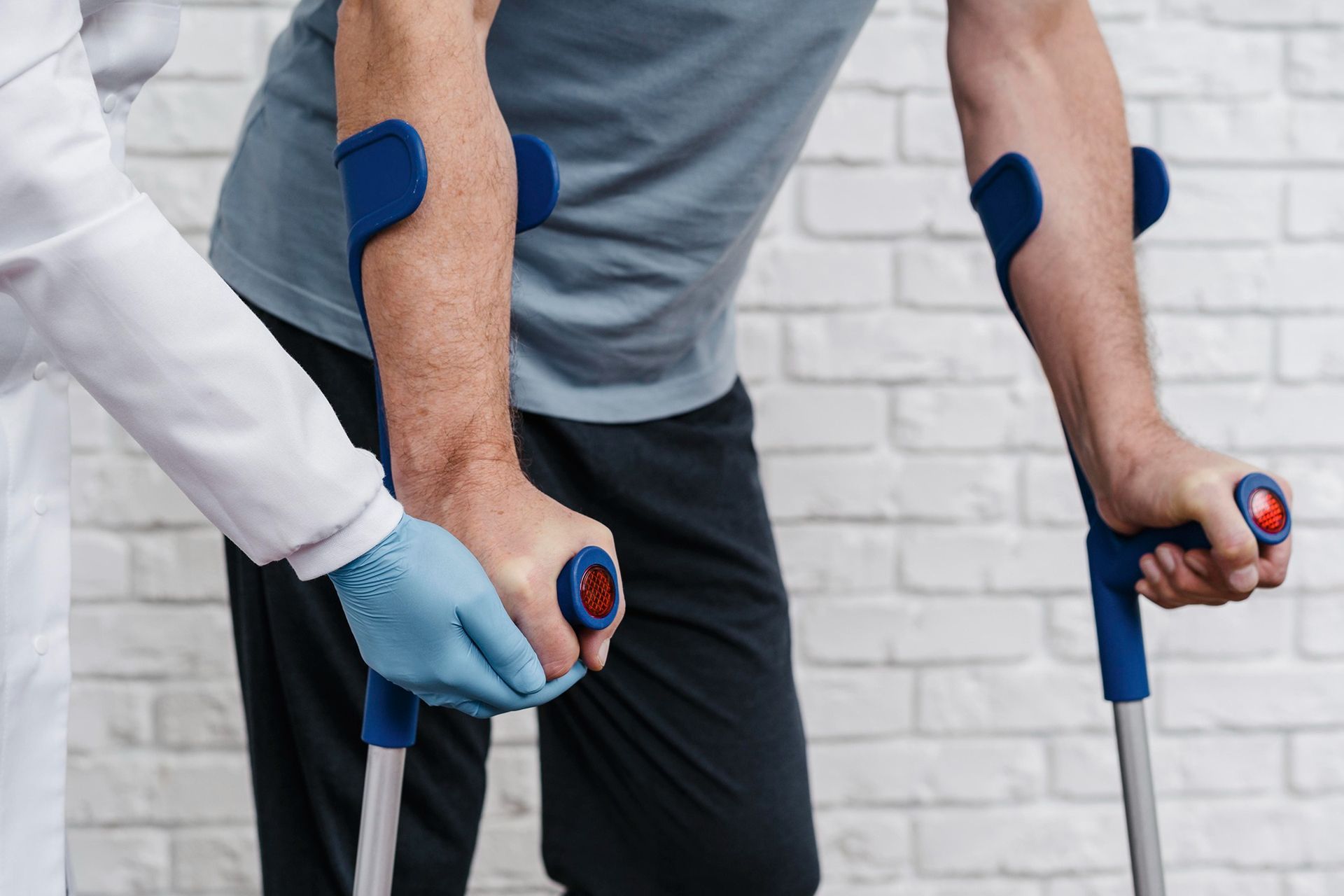
- Equipment and supplies: Mobility devices, braces, communication tools, or medical supplies may support function and safety.
- Personal support: Some people may need attendant care, transportation assistance, home changes, or help with daily tasks.
Each recommendation should explain how the service connects to the injury.
Consider Risks Without Overstating Them
Future planning should not focus solely on services already in use. Serious injuries may create risks that require monitoring or preventive care.
For example, limited mobility can raise concerns about falls, skin care, or physical deconditioning. Neurological injuries may affect safety, judgment, communication, or medication management.
The evaluator should not assume every possible complication will occur. The report should separate established needs from reasonable risks and uncertain possibilities. This shows how strongly each recommendation is supported.
Connect Medical Findings With Vocational Issues
An injury can affect both health and employment. Medical restrictions may influence the type of work a person can perform, how long they can sustain tasks, and whether a return to a former occupation is realistic.
A medical review alone does not decide employability or earning capacity. Those questions may require vocational analysis.
Still, the vocational evaluations can identify factors for vocational review, such as lifting limits, fatigue, reduced mobility, cognitive problems, frequent treatment, or work restrictions.
Make Every Recommendation Easy to Trace
A strong report should allow the reader to understand how each conclusion was reached.
For every major recommendation, identify the supporting information. It may come from a treating physician, therapy records, diagnostic findings, or observed function.
Avoid vague statements such as “the client will need extensive care.” Explain the service, why it may be needed, and any known frequency or duration.
The report should also state important limits. Missing records or changing conditions can affect the conclusions.
A Practical Example
Consider a person who experiences a serious spinal injury in a vehicle crash. Hospital records describe surgery and ongoing weakness. Therapy notes indicate the person can walk short distances with assistance but has difficulty with stairs and personal care.
A complete review would examine mobility, home access, daily assistance, therapy progress, follow-up care, equipment use, and treating provider recommendations.
The evaluator may identify future rehabilitation, medical monitoring, mobility equipment, or personal support needs when the evidence shows them. If the injury also prevents a return to physically demanding work, a vocational expert may evaluate how those restrictions affect employment and earning capacity.
Expert Tips for a More Reliable Evaluation
Several practices can improve the final report.
- Use current records whenever possible. Older information may not reflect recent changes in treatment.
- Separate medical facts from professional opinions so readers can see how conclusions were formed.
- Recommendations should match the person’s documented condition and realistic future needs.
- Check the report for consistency. Treatment recommendations, functional findings, and future support needs should make sense when read together.
Conclusion
A careful medical review can turn complex records into a clearer picture of current function and future care. Strong evaluations consider treatment history, activities of daily living, independent living needs, medical risks, and the connection between health and work.
Occupational Assessment Services (OAS) Corp provides medical needs research and assessments for attorneys handling serious injury matters. We review medical, vocational, and situational information to help identify future services, functional needs, and long-term care considerations.
Our team also evaluates employability, earning capacity, and future care needs when those issues are important to documenting damages.
Contact us to schedule a consultation about a medical needs assessment for your case.
Frequently Asked Questions
What Records Are Most Useful for a Medical Needs Review?
Current physician records, hospital reports, therapy notes, surgical records, diagnostic testing, medication information, and rehabilitation documents may all be useful. The exact records depend on the injury and referral question.
Does the Evaluation Only Look at Medical Treatment?
No. It may also consider current function, activities of daily living, independent living needs, equipment, rehabilitation, personal assistance, and other support related to the injury.
Can the Evaluation Determine Whether Someone Can Work?
It can identify medical and functional restrictions that affect work. A separate vocational evaluation may be needed to address employability, transferable skills, job options, or earning capacity.
Why Are Daily Activities Important in an Injury Case?
They show how the condition affects independence. Problems with mobility, personal care, transportation, or household tasks can help explain the practical impact of the injury.
Can Future Care Recommendations Change?
Yes. Medical conditions, treatment plans, and functional abilities can change. New records or provider recommendations may support an updated review.
Disclaimer: The information on this website and blog is for general informational purposes only and is not professional advice. We make no guarantees of accuracy or completeness. We disclaim all liability for errors, omissions, or reliance on this content. Always consult a qualified professional for specific guidance.
RECENT POSTS